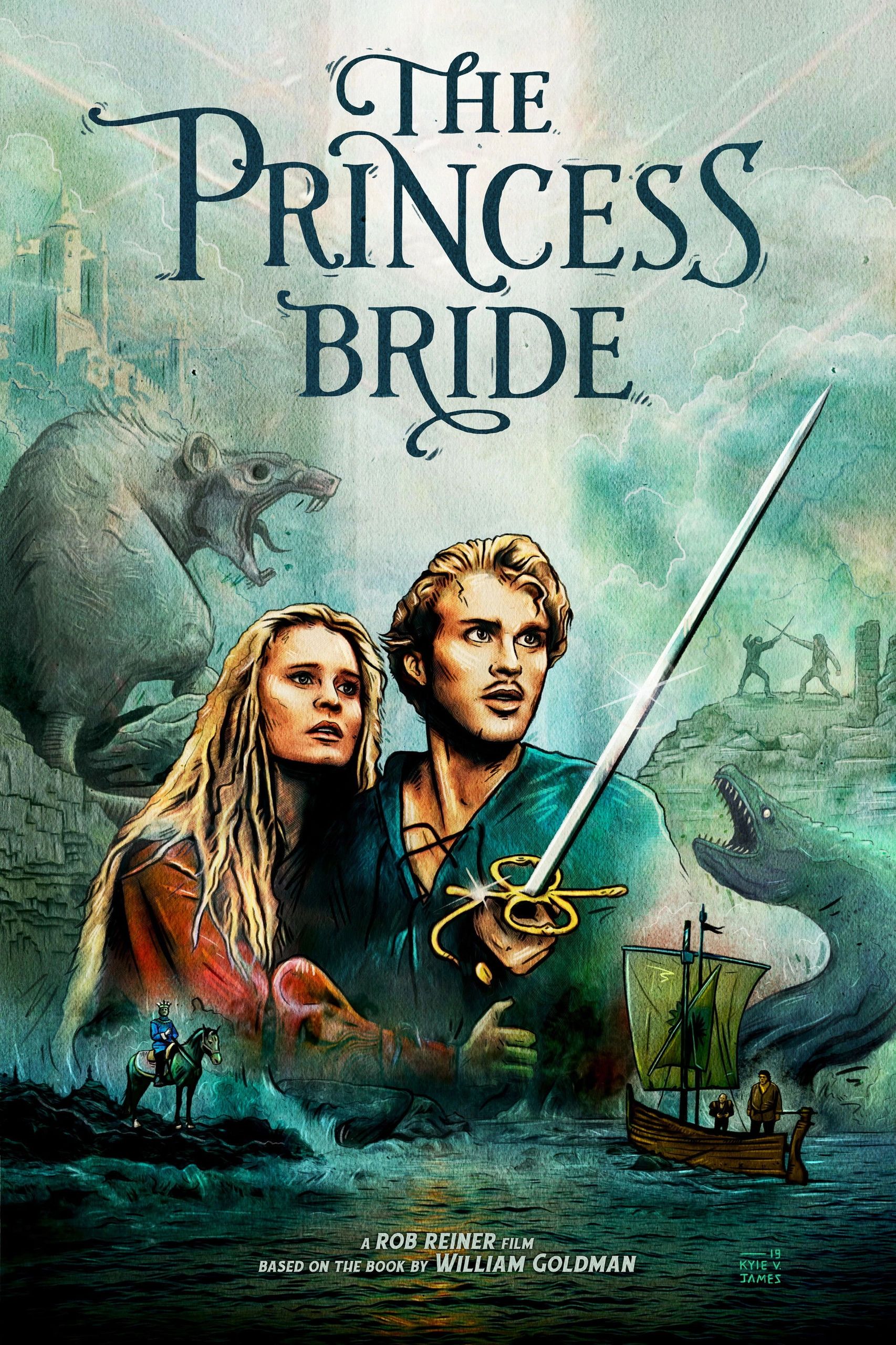
Seeing The Princess Bride for the first time, what stood out immediately was how confidently it walks the line between classic fantasy and self-awareness. It has all the familiar ingredients, sword fights, romance, villains, and fairy tale structure, but it never tips into being overly corny or forced. The movie understands that it is a fantasy story, and instead of apologizing for that, it leans into it with restraint and clarity.
Much of that balance comes from the performances. Cary Elwes plays Westley completely straight, which grounds even the most absurd moments and gives the story emotional weight. Mandy Patinkin’s Inigo Montoya adds another layer entirely. His revenge arc is handled with real seriousness, not for melodrama, but as a deliberate tonal contrast that elevates the entire film. The result is a movie that feels playful without being shallow, and sincere without being heavy.
What makes the film feel fresh, even decades later, is how it works for different audiences at once. As a kid, it functions as a straightforward fairy tale adventure. As an adult, it reveals a surprising amount of thoughtfulness in its dialogue, structure, and emotional control. While the ending is exactly what you expect from a story like this, the satisfaction comes from how well the journey is executed rather than any narrative surprise.
Ultimately, The Princess Bride feels like a gold standard for older fantasy films. It does not take itself too seriously, it respects its audience, and it remains a light, enjoyable watch without sacrificing craftsmanship. It is proof that fantasy does not have to be ironic or cynical to be smart, and that sincerity, when handled correctly, never goes out of style.